The Importance of Network Structured Cabling for Business
As a business owner, you’re likely aware of the crucial role that a reliable and efficient network infrastructure plays in the success of your organization. In today’s digital age, a well-designed network is essential for communication, data transfer, and overall productivity. One of the key components of a robust network infrastructure is structured cabling. In this blog post, we’ll explore the importance of network structured cabling for your business and the necessary components to achieve the best results.
Why Structured Cabling is Important?
A well-planned and installed network structured cabling system provides numerous benefits to businesses, including:
Improved Reliability: A structured cabling system reduces the risk of network downtime and data loss, ensuring that critical business operations continue uninterrupted.
Increased Flexibility: A structured cabling system makes it easier to add, move, or change devices on the network, reducing the need for costly and time-consuming rewiring.
Enhanced Performance: A well-designed structured cabling system optimizes network performance, providing fast and reliable data transmission.
Scalability: A structured cabling system can grow with your business, accommodating increasing demands for bandwidth and connectivity.
Reduced Maintenance Costs: A structured cabling system reduces the need for frequent maintenance and repairs, saving businesses time and money.
Improved Security: A structured cabling system can help prevent unauthorized access to sensitive data and equipment.
Components of a Structured Cabling System
A comprehensive network structured cabling system consists of the following components:
There are several common structured cabling topologies, including:
Star Topology: A central device connects to multiple peripheral devices.
Bus Topology: Devices are connected to a single backbone cable.
Ring Topology: Devices are connected in a circular configuration.
Best Practices for Cable Management
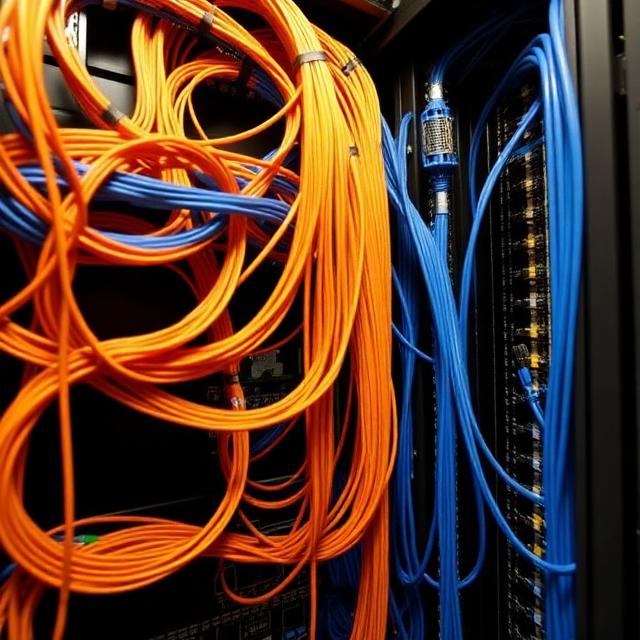
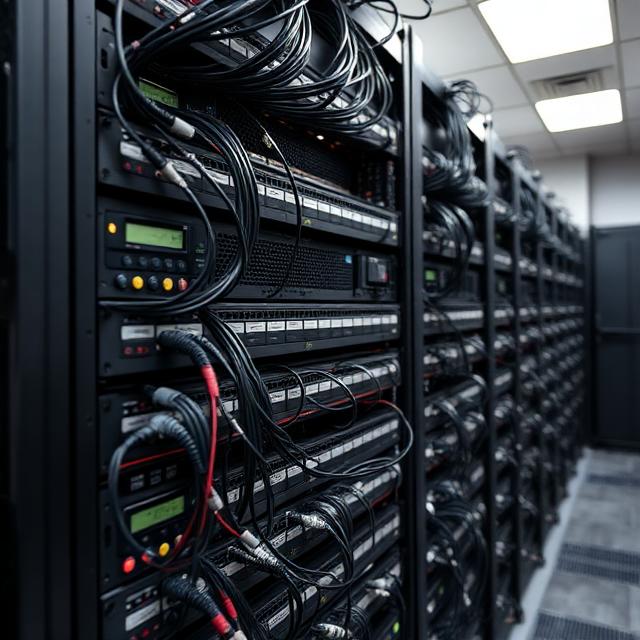
Effective cable management is critical to a well-designed structured cabling system. Here are some best practices:
Use Cable Ties and Velcro: Secure cables with cable ties and Velcro to prevent damage and tangles.
Label Cables: Label cables clearly and consistently to ensure easy identification.
Route Cables Efficiently: Route cables in a logical and efficient manner to minimize cable lengths and reduce clutter.
Conclusion
A well-designed and installed network structured cabling system is essential for businesses to operate efficiently and effectively. By understanding the importance of structured cabling and the components necessary to achieve the best results, businesses can ensure a reliable, flexible, and high-performance network infrastructure. By following best practices and using standardized components, businesses can future-proof their network and stay ahead of the competition.
Additional Tips and Recommendations
Use a structured cabling system that meets the latest industry standards.
Choose a cabling system that is scalable and flexible.
Consider using a cabling system with a high level of redundancy and fault tolerance.
Use cable management systems to keep cables organized and secure.
Test and verify the cabling system regularly to ensure it meets performance and reliability standards.
By following these tips and recommendations, businesses can ensure a reliable and efficient network structured cabling system that meets their current and future needs.
(*) Prices are accurate at the time of publishing and may change over time. For the most up-to-date pricing, please check Amazon.com.
SOFOS TECH LLC is a participant in the Amazon Services LLC Associates Program, an affiliate advertising program designed to provide a means for sites to earn advertising fees by advertising and linking to Amazon.com.
1589 Skeet Club Rd. Suite 102-136 • High Point NC 27265 • United States (336) 509-5707 • [email protected]
SOFOS TECH LLCKnowledge and Experience on IT Technology



![Cable Matters [UL Listed] 10Gbps in-Wall Riser Rated (CMR) 23AWG Bare Copper Cat6 Ethernet Cable - 1000ft, Cat 6 Ethernet Cable Spool, Cat 6 Cord Bulk, Blue](https://m.media-amazon.com/images/I/81ftfVo5ASL._SL500_.jpg)


 SOFOS TECH LLC
Knowledge and Experience on IT Technology
SOFOS TECH LLC
Knowledge and Experience on IT Technology ![Everest 24 Port Keystone Patch Panel (1-Pack) - Removable 6-Port Panels - Use with Slim Profile Keystones ONLY (Wider Jacks May not fit Side by Side) - 8 Blank Keystone Jack Inserts Included]](https://m.media-amazon.com/images/I/619AgIKVtRL._SL1500_.jpg)




![Cable Matters 10-Pack Low Profile 1-Port Keystone Jack Wall Plate, RJ45 Wall Plate for Keystone Jacks in White [UL Listed]](https://m.media-amazon.com/images/I/61P4bC5+eVL._AC_SL500_.jpg)
![Cable Matters 10-Pack Low Profile 2-Port Keystone Jack Wall Plate, RJ45 Wall Plate for Keystone Jacks in White [UL Listed]](https://m.media-amazon.com/images/I/617ZBvB9KRL._AC_SL500_.jpg)